

By
Karis Simms
The short answer
A 2026 study of older adults found that poorer hearing was linked to higher frailty in people who did not wear hearing aids, but not in people who did. With around 18 million UK adults living with hearing loss, the findings matter here. The study shows an association, not proof of cause.
17.9%
higher frailty score per 10 dB of hearing loss in non-users
No link
found between hearing loss and frailty score in hearing aid users
70%
of UK adults over 70 have hearing loss (RNID)
2m of 8m
UK adults who could benefit from hearing aids actually use them (RNID estimate)
If you or someone you love has noticed hearing slipping, it is easy to put off doing anything about it. Hearing loss often arrives so gradually that it feels like a minor irritation rather than a health issue. A new study suggests it deserves more attention than that, because how well you hear may be tied to how well you age.
In the UK, hearing loss becomes steadily more common with age, so the findings are worth knowing about. Here is what researchers found, what the results do and do not tell us, and the practical steps you can take today.
What is frailty, and why does it matter?
Frailty is a state of reduced physical and mental reserves that makes it harder for your body to cope with illness, injury or stress. It is not the same as getting older. Plenty of people stay strong and independent well into their eighties and nineties, while others become frail earlier.
Doctors often measure frailty by counting health "deficits", such as slower walking speed, weaker grip, low energy, unintended weight loss and difficulty with daily tasks. The more deficits someone has, the higher their frailty score. Higher scores are associated with more falls, more hospital stays and a loss of independence.
That is why researchers look for risk factors that can be changed. Hearing loss is one of the most common health conditions in later life, and one of the most undertreated.
What the new study found
The research, published on 9 July 2026 in the Journal of the American Geriatrics Society, looked at adults aged 65 and over, using national health survey data collected between 2003 and 2018. Rather than relying on people's own descriptions of their hearing, the researchers used measured hearing thresholds and compared them with a frailty index.
The key results were:
Group |
Change in frailty score for every 10 dB of extra hearing loss |
What it means |
|
Adults with hearing loss who did not use hearing aids |
17.9% higher |
Poorer hearing was clearly linked to higher frailty |
|
Adults with hearing loss who did use hearing aids |
Not statistically significant (a 4.2% lower estimate) |
Worse hearing was not linked to higher frailty |
In plain English: among people who did not wear hearing aids, frailty rose as hearing got worse. Among people who did wear them, that pattern was essentially absent. The researchers described hearing aid use as attenuating, or weakening, the connection between hearing loss and frailty.
The study also found no evidence that the pattern differed between men and women. The authors concluded that the results highlight the need for better access to hearing care, and could help shape future frailty screening tools.
It is not the first study to point this way. An earlier nationally representative study of older adults with hearing loss found that people who did not use hearing aids had higher odds of being frail than those who did. A 2024 study reported by NPR also found that regular hearing aid users had a 24% lower risk of death than people who never used them.
Do hearing aids prevent frailty?
The study cannot say that hearing aids prevent frailty. It was cross-sectional, which means hearing, hearing aid use and frailty were all measured at roughly the same point in time. That shows a pattern, but it cannot show which factor came first or whether one caused the other.
There are a few honest caveats worth knowing:
-
People who choose hearing aids may differ in other ways. They may be more socially active, more engaged with their health or more motivated to stay independent.
-
Frailty could affect hearing aid use, not just the other way round. Someone who is very frail may find it harder to get hearing care in the first place.
-
The hearing aid analysis only included people with at least mild hearing loss, which is the group most relevant to this question.
-
One study cannot speak for everyone. Results from one group of people may not apply equally to every individual, which is why researchers look for the same pattern across many different studies.
-
Longer, controlled studies are needed to confirm cause and effect.
Even with those limits, the finding is encouraging. It fits with a broader body of research linking untreated hearing loss to falls, social isolation, low mood and cognitive decline. Treating hearing loss is a low-risk step that can improve daily life right now, whatever the longer-term picture turns out to be.
Why might hearing loss and frailty be linked?
Researchers do not yet know exactly why hearing and frailty travel together, but several explanations are being explored:
Staying socially connected
When conversations become tiring, many people start to avoid busy restaurants, family gatherings and group activities. Over time that can mean less movement, less stimulation and more isolation, all of which are linked to faster physical decline.
Staying active and steady on your feet
Hearing helps you stay aware of your surroundings, from traffic to footsteps behind you. Research has linked untreated hearing loss with a higher risk of falls, and the confidence to keep walking, exercising and going out matters for staying strong.
Reducing listening effort
When your brain works hard to decode speech, it has less capacity left for memory and thinking. Properly fitted hearing aids can ease that load, leaving you more energy for everything else in your day.
Experts quoted in coverage of earlier research have suggested that regular hearing aid users may be more likely to stay socially connected, remain active and avoid falls. Those are plausible routes by which better hearing could support healthier ageing, though they still need to be tested directly.
What this means for people in the UK
Hearing loss is one of the most common long-term health conditions in the UK, and it is strongly tied to age.
UK hearing loss fact |
Figure |
|
Adults with some degree of hearing loss, deafness or tinnitus |
Around 18 million (RNID, 2024) |
|
People over 50 with hearing loss |
More than 40% |
|
People over 70 with hearing loss |
70% |
|
Adults who use hearing aids vs those who could benefit |
Around 2 million vs an estimated 8 million |
In other words, millions of people in Britain could be getting the benefit of hearing aids and are not. NICE guidance recommends hearing aids as the most cost-effective intervention for hearing loss, and this new study adds another reason not to leave it.
NHS or private: both routes work
In the UK, NHS hearing care usually starts with a conversation with your GP and a referral to an NHS audiology service. Many people also choose to buy privately because it gives them a wider choice of models, such as rechargeable and Bluetooth hearing aids, and avoids waiting for appointments. Our guide to private or NHS hearing aids sets out the differences so you can decide what suits you.
What to do if you are noticing hearing changes
You do not need to wait for a problem to become serious before acting. Here is a simple path to follow.
1. Check your hearing
Take a quick hearing screening from home to see whether it is worth taking the next step. Common signs include asking people to repeat themselves, turning the TV up, struggling in noisy places and feeling tired after long conversations.
2. Get your hearing properly measured
To programme hearing aids accurately, you need an up-to-date audiogram from a hearing professional.
3. Choose hearing aids that suit your life
The best hearing aid is the one you will actually wear every day. Our guide to choosing the right hearing aid walks through style, power, connectivity and lifestyle factors.
4. Wear them consistently
The researcher behind a 2024 study on hearing aids and longevity recommends new users wear their hearing aids every day for 30 consecutive days to help the brain adapt. Benefits depend on regular use, so a comfortable fit and good settings matter.
5. Keep them fine-tuned
Hearing changes over time and first settings are rarely perfect. Ongoing aftercare and remote fitting and programming help your hearing aids keep working for you.
Features that make everyday wear easier
The study points to a simple idea: hearing aids only help when they are worn. These features make that easier.
|
Feature |
Why it helps you wear them every day |
Browse |
|
Rechargeable batteries |
No tiny batteries to change. Charge overnight and go |
|
|
Bluetooth streaming |
Calls, TV and music go straight to your ears, making your hearing aids part of daily life |
|
|
Remote fine-tuning |
Your audiologist can adjust settings without you travelling anywhere |
|
|
Strong speech clarity in noise |
Makes busy, social settings less tiring, so you keep joining in |
If keeping up in conversation, especially in noisy places, is your biggest challenge, the Phonak Audeo EON E90-Sphere is designed to prioritise speech clarity in busy environments. You can compare it with the rest of the Phonak range and see current pricing on each product page.
Frequently asked questions
How common is hearing loss in the UK?
Very common. RNID estimates that around 18 million UK adults have some degree of hearing loss, deafness or tinnitus, and more than 40% of people over 50 have hearing loss, rising to 70% of people over 70. Only around 2 million adults use hearing aids, while an estimated 8 million could benefit.
Does hearing loss cause frailty?
Not necessarily. Studies show that poorer hearing is associated with higher frailty in older adults, but most of this research is observational, so it cannot prove that hearing loss causes frailty. Researchers think reduced activity, social isolation, falls and the extra mental effort of listening may all play a part.
Can hearing aids reduce the risk of frailty?
A 2026 study of adults aged 65 and over found that worse hearing was linked to higher frailty scores in non-users, but not in hearing aid users. The study was cross-sectional, so it shows an association rather than proof that hearing aids prevent frailty. It does support treating hearing loss early as part of healthy ageing.
What is frailty in older adults?
Frailty is a state of reduced physical and mental reserves that makes it harder to recover from illness, falls or stress. It is not the same as simply getting older. Many people age without becoming frail, and frailty can often be slowed by addressing risk factors early.
When should I get hearing aids?
Consider hearing aids as soon as hearing difficulties start to affect everyday life, such as asking people to repeat themselves, turning the TV up or avoiding noisy places. A hearing screening is a quick first step, and an audiologist can advise on the right next move.
Can I buy hearing aids online and still get proper support?
Yes. At Wholesale Hearing you choose your hearing aids, send your audiogram, and our UK-based audiologists programme them to your needs before they ship. They then fine-tune your settings remotely once you have them, so you get professional care without extra appointments. See how it works.
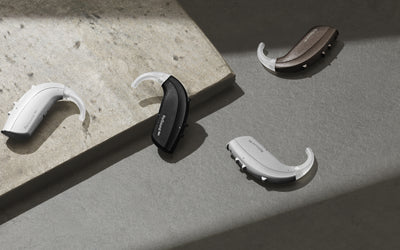
Shop All Hearing Aids
Shop now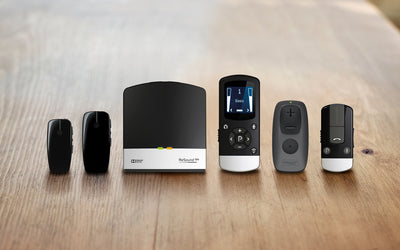
Shop Accessories
Shop now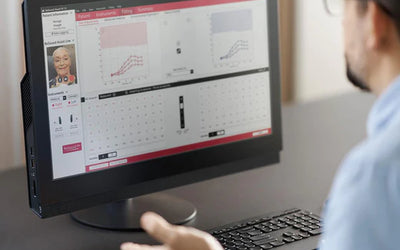
Speak To Our Audiologists
Contact Us