

By
martin stone
If you've recently been told you need hearing aids or you've been quietly wondering whether to do something about your hearing for a while, one of the first questions you'll face is a straightforward one: do you go through the NHS, or do you go private?
It's a decision that matters. The route you take affects how quickly you're seen, which hearing aids you can access, how they're fitted, and what support you receive afterwards. There's no universally right answer, but there is a right answer for your situation and this guide will help you find it.
Free NHS hearing aids are provided at no cost to the patient, including batteries and repairs
Up to 60% Potential saving on private hearing aids when buying through Wholesale Hearing vs a high-street clinic
How Does NHS Hearing Aid Provision Work?
The NHS provides hearing aids free of charge to anyone assessed as needing them. The process typically works like this:
Step 1 - GP referral. You visit your GP, describe your hearing difficulties, and request a referral to audiology. In some areas you can self-refer directly to an NHS audiology service without needing a GP first, it's worth checking what's available locally.
Step 2 - Audiology assessment. You attend an audiology appointment where a full hearing test (audiogram) is conducted. The audiologist assesses the type and degree of your hearing loss.
Step 3 - Fitting. If hearing aids are recommended, you're fitted with NHS devices and given instructions on how to use them. Follow-up appointments are scheduled for adjustments.
Step 4 - Aftercare. NHS audiology services provide ongoing support, including battery replacements (still relevant for non-rechargeable NHS devices), repairs, and follow-up appointments.
On paper, it's a comprehensive service. In practice, the experience varies significantly depending on where you live and the current pressures on your local NHS trust.
The Reality of NHS Hearing Aids in 2026
The NHS audiology pathway has faced growing strain in recent years, and waiting times in many areas of England have lengthened considerably. In some regions, patients are waiting six months or more just for an initial audiology assessment, before any fitting has taken place.
Beyond waiting times, there are other practical limitations worth understanding:
The devices available on the NHS
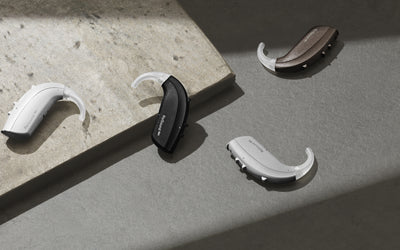
NHS hearing aids are almost exclusively BTE (Behind-the-Ear) devices. These are reliable, functional, and genuinely helpful but they represent a specific style and a specific tier of technology. The NHS does not typically offer the latest premium devices from brands like Phonak, Signia, or ReSound, and the range of styles, colours, and features is more limited than in the private sector.
Rechargeable hearing aids, Bluetooth connectivity, smartphone app control, and advanced speech-in-noise processing, features that are now standard on modern private hearing aids are generally not available through the NHS.
Fitting and aftercare
NHS audiology appointments are often shorter than private consultations, and the ability to fine-tune your hearing aids over time can be more limited depending on your local service. Remote programming, where your audiologist adjusts your hearing aid settings without you having to attend a clinic, is typically not available on the NHS.
A note of fairness
For many people, particularly those on fixed incomes or with straightforward hearing needs, the NHS route remains a genuinely good option. The devices work, the service is free, and the clinical standard of NHS audiologists is high. This guide is not about discouraging NHS patients, it's about helping you make an informed choice with a clear picture of both routes.
What Do Private Hearing Aids Offer?
Private hearing aids give you access to the full range of current hearing technology, fitted and supported by qualified audiologists, typically without any waiting time.
Here's what that looks like in practice:
The full range of modern hearing technology
Private hearing aids include the latest devices from the world's leading manufacturers, Phonak, Signia, and ReSound among them. These include:
Rechargeable hearing aids - a full day's use from a single overnight charge, with no batteries to replace. A standard feature across most modern private devices.
Bluetooth connectivity - stream phone calls, music, and TV audio directly into your hearing aids via your smartphone. All three brands we stock connect to both iPhone and Android. Read more about the benefits of Bluetooth hearing aids.
Advanced speech-in-noise processing - the technology that makes the biggest difference to real-world hearing. Premium devices use AI and directional microphones to separate speech from background noise in restaurants, meetings, and social situations. This is where higher-tier devices genuinely earn their place.
Smartphone app control - adjust volume, change programmes, and personalise your sound environment directly from your phone, without touching your hearing aids.
RIC (Receiver-in-Canal) style - a discreet, comfortable design with the speaker positioned in the ear canal for natural sound quality. Not available on the NHS, but the most popular private hearing aid style by some margin. Browse our RIC hearing aids.
Tinnitus management - many private devices include built-in tinnitus relief features, which can make a significant difference for people experiencing ringing or buzzing alongside their hearing loss.
Speed of access
At Wholesale Hearing, there is no waiting list. Once you submit your audiogram and place your order, your hearing aids are programmed to your prescription and dispatched quickly. For people who have already been assessed and simply want to get on with improving their hearing, this is a significant advantage.
Remote programming and aftercare
One of the most practical benefits of private hearing aids through Wholesale Hearing is remote programming. Your audiologist can adjust your hearing aid settings remotely, you don't need to attend a clinic for fine-tuning or follow-up. This makes aftercare considerably more convenient, particularly if you're working or don't live near a hearing centre. Learn more about how our aftercare works.
NHS vs Private Hearing Aids: A Side-by-Side Comparison
|
NHS |
Private (Wholesale Hearing) |
|
|
Cost |
Free |
From ~£765 per pair (see our price page) |
|
Waiting time |
Often months |
No waiting list |
|
Device range |
BTE only, limited models |
Full range - RIC, BTE, all technology tiers |
|
Rechargeable |
Rarely available |
Standard on most models |
|
Bluetooth |
Not typically available |
Included on all modern devices |
|
Smartphone app |
Not available |
Available across all brands |
|
Speech in noise |
Basic |
Advanced AI processing on premium tiers |
|
Fitting |
In-clinic |
Remote programming included |
|
Aftercare |
In-clinic appointments |
Remote adjustments, ongoing support |
|
Battery supply |
Free from NHS |
Batteries or charging included |
|
Audiologist review |
Included |
Included with every order |
Can I Use Both NHS and Private Hearing Aids?
Yes, and this is more common than people realise. Some people access NHS hearing aids for one ear while going private for the other, or use NHS devices as a backup while wearing private aids day-to-day. Others start with NHS aids and upgrade privately when they want access to better technology.
There is no rule against using both systems. Your NHS audiology service remains available to you regardless of whether you also have private hearing aids.
What About Going Private Through a High-Street Clinic?
When people think of private hearing aids, they often think of high-street hearing centres - Specsavers, Hidden Hearing, Boots Hearing Care, and similar chains. These offer face-to-face clinical appointments and a broad range of devices, but typically at significantly higher prices than buying directly through a provider like Wholesale Hearing.
The clinical standard and the devices are often comparable, the difference is primarily in price and the model of care. High-street clinics build the cost of their premises, staff, and in-person appointments into the device price. At Wholesale Hearing, we supply the same clinically proven devices at wholesale prices, with audiologist fitting and aftercare delivered remotely.
For a straightforward comparison: the same hearing aid that costs £4,500 at a high-street clinic may be available through Wholesale Hearing for significantly less, with the same level of audiologist support. See our current prices.
We also offer a price match promise, if you find the same device cheaper elsewhere, we'll match it.
Which Route Is Right for You?
The honest answer depends on your priorities. Here's a simple way to think about it:
The NHS route may be the better fit if:
-
Cost is the primary consideration and budget is genuinely constrained
-
Your hearing needs are relatively straightforward
-
You are comfortable with a longer wait and a more limited device range
-
You prefer in-person clinical appointments
Private hearing aids may be the better fit if:
-
You want access sooner rather than later
-
You want Bluetooth, rechargeable technology, or a discreet RIC style
-
Your lifestyle involves challenging listening environments (restaurants, meetings, events)
-
You want the flexibility of remote aftercare rather than clinic visits
-
You want to choose from the full range of current hearing technology
Wholesale Hearing specifically may be the right fit if:
-
You have a recent audiogram and know roughly what you need
-
You want clinically fitted private hearing aids at a significantly lower price than a high-street clinic
-
You're comfortable with remote rather than in-person fitting and aftercare
-
You want expert audiologist support included without paying premium high-street prices
- Quoted locally and shocked by the price
Not sure which applies to you? Our audiologist team is happy to talk it through, no obligation, no sales pressure. Ask an audiologist.
Do I Need a Hearing Test Before Buying Private Hearing Aids?
Yes, and this is non-negotiable, wherever you buy from. Private hearing aids should always be fitted to a current audiogram. At Wholesale Hearing, we review every customer's audiogram before processing their order, to ensure the device is appropriate for their hearing loss.
If you don't have a recent hearing test result, there are a few options:
You can ask your GP for an NHS audiology referral, attend a hearing test at a local private audiologist or high-street clinic, or use our online hearing test as an initial indicator. The online test won't replace a full audiogram for fitting purposes, but it can give you a useful starting point.
Frequently Asked Questions
Are NHS hearing aids any good?
Yes, NHS hearing aids are clinically effective and professionally fitted. The main limitations are the range of devices available (BTE only, limited technology tiers), waiting times, and the absence of features like Bluetooth and rechargeable batteries that are now standard on private devices.
How long is the NHS waiting list for hearing aids in 2026?
This varies significantly by region. In some areas, initial audiology assessments are available within a few weeks; in others, patients are waiting six months or more. Contact your local NHS audiology service or GP surgery for current waiting times in your area.
Do private hearing aids last longer than NHS ones?
The lifespan of a hearing aid is primarily determined by the quality of the device and how well it's maintained, rather than whether it was obtained through the NHS or privately. Most modern hearing aids, NHS or private, last between five and seven years with proper care.
Can I get my NHS hearing aids upgraded to private ones?
You can switch to private hearing aids at any time. Your NHS audiology service can continue to support your NHS devices even if you also use private aids.
What brands does Wholesale Hearing stock?
We stock Phonak, Signia, and ReSound, three of the world's most respected hearing aid manufacturers. All devices are the current production models, clinically proven, and available at wholesale prices. Browse all hearing aids.
Is it safe to buy hearing aids online?
It is, provided you're buying from a provider with qualified audiologists who review your audiogram and programme the devices to your prescription. This is exactly what we do at Wholesale Hearing. We are not selling over-the-counter amplifiers, we supply and clinically fit prescription hearing aids, remotely.
Ready to Explore Your Private Options?
If you'd like to find out what's available at Wholesale Hearing prices, browse our full range or speak to our audiologist team, free of charge, with no obligation to buy.
Browse All Hearing Aids | See Our Prices | Ask an Audiologist
Shop All Hearing Aids
Shop now
Shop Accessories
Shop now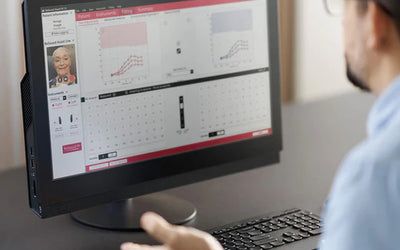
Speak To Our Audiologists
Contact Us