

By
Karis Simms
An itch deep inside your ear is hard to ignore and even harder to reach. It is also one of the most common ear complaints, and in most cases the cause is simple and easy to treat. This guide explains why your ears itch, what you can safely do about it and the signs that mean it is time to speak to a professional.
Quick answer: Ears usually itch because of earwax problems (too much or too little), dry or irritated skin in the ear canal, allergies, or a mild outer ear infection. Earphones, cotton buds and hearing aids can also trigger itching. Most cases settle with gentle care, but itching that lasts more than a week or two, or comes with pain, discharge or muffled hearing, should be checked.
What causes itchy ears?
The skin inside your ear canal is thin, sensitive and very close to the surface, so it reacts quickly to anything that irritates it. Here are the most common reasons your ears might itch.
1. Earwax problems
Earwax protects your ears by trapping dust and keeping the skin lubricated. When you produce too little, the canal can feel dry and itchy. When you produce too much, or it becomes compacted, it can irritate the skin and leave your ears feeling blocked, full or muffled. Pushing wax deeper with cotton buds is a very common way to make both problems worse.
2. Dry skin and skin conditions
Dry skin is one of the most frequent causes of itchy ears. Conditions such as eczema, psoriasis and seborrhoeic dermatitis (a flaky, itchy skin condition) can affect the outer ear and the entrance to the canal. You may notice flaking, redness or tightness around the ear as well as the itch itself.
3. Outer ear infection (otitis externa)
Often called swimmer's ear, this is an infection or inflammation of the skin of the ear canal. It tends to start with itching, then progress to redness, tenderness, swelling, discharge and sometimes muffled hearing. Trapped moisture from swimming or showering, and small scratches from fingers or cotton buds, are common triggers. Fungal infections can also cause intense itching, particularly in warm, damp conditions.
4. Allergies
Hay fever, dust mites, pet dander and some foods can all make your ears itch, often in both ears at once and alongside sneezing, a runny nose or itchy eyes. Contact allergies are also common. Shampoo, hair dye, hairspray, jewellery and the materials in earbuds or headphones can all cause a reaction in the ear or the skin around it.
5. Earphones, earbuds and hearing aids
Anything that sits in or over your ear can trap heat and moisture, rub the skin or block natural wax migration. Frequent earbud use is a well-known cause of itching, and hearing aids can have the same effect if the fit or hygiene is not quite right. We cover this in more detail below.
6. Blocked Eustachian tubes, colds and sinus issues
Congestion from a cold, sinus problem or allergy can affect the tube that connects your middle ear to the back of your nose. This can create a sensation of pressure, fullness or itching deep inside the ear that is not on the skin at all.
Itchy ears causes at a glance
|
Possible cause |
What it often feels like |
Usual next step |
|
Too little earwax |
Dry, itchy canal, no pain |
Leave ears alone, moisturise outer ear |
|
Too much or hardened wax |
Itch plus blocked or muffled feeling |
Softening drops, or professional wax removal |
|
Eczema or dry skin |
Flaky, red, tight skin around the ear |
Pharmacist or GP advice on emollients |
|
Outer ear infection |
Itch that turns to pain, swelling or discharge |
See a pharmacist, GP or audiologist |
|
Allergies |
Both ears itch, with sneezing or itchy eyes |
Identify trigger, ask about antihistamines |
|
Earbuds or hearing aids |
Itch when worn or soon after removing |
Check fit, clean devices, rest ears |
|
Congestion or Eustachian tube issues |
Deep itch with pressure or fullness |
Treat the cold or allergy, seek advice if it lingers |
How to relieve itchy ears successfully
If your symptoms are mild and you have no pain, discharge or hearing change, these gentle steps are a good place to start.
-
Resist the urge to scratch or poke. Scratching damages the delicate skin and can turn a mild itch into an infection.
-
Keep your ears dry. After showering or swimming, tilt your head to let water drain, then pat the outer ear dry with a towel. A hairdryer on a low, cool setting held at a distance can help.
-
Moisturise the outer ear. If the skin around your ear is dry or flaky, a fragrance-free moisturiser applied to the outer ear only can calm irritation.
-
Soften wax if it is the likely culprit. Olive oil or almond oil ear drops, used as directed, can soften hardened wax so it clears naturally. Ask a pharmacist if you are unsure which product to use.
-
Look at your triggers. Think about new shampoos, hair products, earphones or seasonal allergies. Removing the trigger often removes the itch.
Good to know: Ears are self-cleaning. For most people, gently wiping the outer ear with a damp cloth is all the cleaning that is needed.
What not to do
Some of the most common home remedies can make itchy ears worse.
-
Do not use cotton buds, hairgrips, keys or fingernails inside your ears. They push wax deeper and scratch the skin.
-
Do not use ear candles. They are not an effective way to remove wax and carry a risk of burns and blockages.
-
Do not put drops or oil in your ear if you have ear pain, discharge, a perforated eardrum or grommets unless a healthcare professional has said it is safe.
-
Do not ignore symptoms that keep returning. Repeated itching is your body asking for a proper look.
Itchy ears and hearing aids
If you wear hearing aids, itching can be a sign that something about the fit, hygiene or materials needs attention. The good news is that it is usually straightforward to put right. Common reasons include:
-
A dome or mould that is the wrong size or shape. If it is too tight it rubs; too loose and it moves around and irritates the skin.
-
Trapped moisture and warmth. A sealed ear canal can become damp, which encourages irritation and infection.
-
Wax and debris build-up. Blocked wax guards and unclean devices can irritate the canal and affect sound quality. Regular cleaning and replacing your wax guards keeps things fresh.
-
Old or worn domes. Domes should be replaced regularly. You can find replacements in our hearing aid domes range.
-
Material sensitivity. Some people react to certain materials, and a different dome or fitting can make a real difference.
Give your ears a short rest from your hearing aids if they feel sore, and do not use them with an active ear infection or discharge until you have been seen. Our aftercare support and UK-based audiologists are on hand to help you get a comfortable fit, and our fitting and remote programming service means adjustments can be made without leaving home.
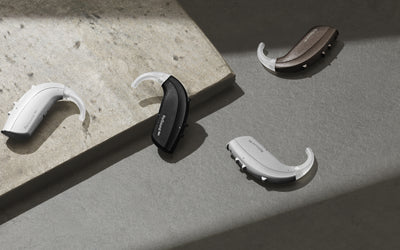
If you are still choosing a device, comfort matters as much as sound quality. A smaller, lighter hearing aid sits more gently in and around the ear, which can make a real difference if you are prone to irritation. The new Phonak Audeo EON E90-Sphere is Phonak’s smallest and most discreet design yet, and it is shipping now. Our guide to choosing the right hearing aid explains what else to consider, and if you swim or sweat a lot, take a look at our waterproof hearing aids.
Can itchy ears affect your hearing?
Itching itself does not damage your hearing. However, many of the things that cause it can temporarily affect how well you hear. A wax blockage, swelling from an infection or fluid behind the eardrum can all make sounds seem muffled or distant.
If your hearing feels different, or you keep turning the TV up and asking people to repeat themselves, do not put it down to wax alone. Taking a quick online hearing screening is an easy first step and takes only a few minutes. If it suggests a change, one of our UK audiologists can talk you through what to do next.
Frequently asked questions
Why do my ears itch inside?
Itchy ears inside are most often caused by too little or too much earwax, dry or inflamed skin in the ear canal, allergies or a mild outer ear infection. Cotton buds, earphones and hearing aids can also irritate the skin and trigger itching.
Can itchy ears be caused by allergies?
Yes. Hay fever, dust, pet dander, certain foods and contact allergies to products such as shampoo, hair dye, jewellery or earphone materials can all cause itchy ears. Itching from allergies often affects both ears and may come with sneezing, a runny nose or itchy eyes.
How can I stop my ears itching at home?
Avoid putting cotton buds, fingers or other objects in your ears, keep your ears dry after washing or swimming, and moisturise the outer ear if the skin is dry. If you think wax is the cause, olive oil or almond oil ear drops can soften it. If itching lasts more than a week or two, or comes with pain or discharge, get it checked.
Why do my ears itch when I wear hearing aids?
Hearing aids can cause itching if the dome or mould is the wrong size, if moisture or wax builds up in the ear canal, if the device is not cleaned regularly, or if you are sensitive to the material. A fitting adjustment or a different dome often solves it.
Can itchy ears be linked to hearing loss?
Itching does not cause hearing loss on its own, but the conditions behind it, such as a wax blockage or an ear infection, can temporarily reduce your hearing. If your hearing feels muffled or has changed, it is worth taking an online hearing screening and speaking to an audiologist.
Why are my ears itchy at night?
Itching often feels worse at night because there are fewer distractions, skin can lose moisture overnight, and allergens such as dust mites in bedding can irritate the ears. Washing bedding regularly and keeping the outer ear moisturised can help.
Shop All Hearing Aids
Shop now
Shop Accessories
Shop now
Speak To Our Audiologists
Contact Us