

By
Niamh Harnett
Rechargeable hearing aids have made life easier for thousands of UK wearers, no more fiddly disposable batteries, no more trips to the shops for replacement batteries. But the built-in lithium-ion battery inside your device won't last forever. Like the battery in a mobile phone, it slowly loses capacity with every charge cycle, and at some point it will need replacing.
If your rechargeable hearing aids aren't holding a charge like they used to, this guide explains exactly why that happens, how to tell when a replacement is due, and what to expect from the replacement process.
How Long Do Rechargeable Hearing Aid Batteries Last?
Most modern rechargeable hearing aids use a sealed lithium-ion battery designed to last 3 to 5 years of daily charging before performance noticeably drops off. This is very similar to the battery in a smartphone or laptop: every full charge cycle causes a tiny amount of wear, and after roughly 1,000 - 1,500 cycles the battery simply can't hold as much charge as it once did.
A handful of factors affect exactly how long yours will last:
-
Brand and battery chemistry - Phonak, Signia and Resound all use slightly different lithium-ion cells and charging electronics.
-
Daily usage - wearing your hearing aids for 16+ hours a day and streaming a lot of Bluetooth audio will wear the battery faster than lighter, part-time use.
-
Charging habits - leaving hearing aids on the charger permanently, or letting them run flat repeatedly, can shorten battery lifespan.
-
Heat exposure - storing hearing aids or chargers somewhere warm (a car dashboard, a sunny windowsill) accelerates battery degradation.
Signs Your Hearing Aid Battery Needs Replacing
You don't need to wait for your hearing aids to die completely before acting. Look out for these warning signs that the battery, not the hearing aid itself, is the problem:
-
Reduced runtime. A hearing aid that used to last a full day now needs topping up by mid-afternoon.
-
Won't hold charge overnight. You put fully charged aids in overnight, but they're flat again within a few hours of wear.
-
Charging light behaves oddly. Flashing, failing to turn green, or the charger not recognising the aids at all.
-
The device won't power on, even after several hours on the charger.
-
Sudden cut-outs during the day, even though the indicator showed a full charge that morning.
If you're seeing any of these, it's worth getting your hearing aids checked before assuming you need brand-new devices, in many cases, only the battery needs attention.
What Affects the Cost of a Rechargeable Battery Replacement?
Replacement pricing isn't one-size-fits-all, it depends on your hearing aid brand, model, and warranty status. A few factors that influence what you'll pay:
-
Warranty cover. Most hearing aids come with a manufacturer warranty of 2 - 5 years, and many of these cover battery replacement if the fault is a genuine defect rather than general wear and tear. Always check your warranty documents or get in touch with our audiologists before assuming you'll need to pay.
-
Brand and model. Different manufacturers charge different rates for out-of-warranty repairs, and some models are more involved to service than others.
-
Where you get it done. Costs can vary between going direct to the manufacturer, an approved repair centre, or your original supplier.
-
Whether the charger is also at fault. Sometimes what looks like a battery problem is actually a faulty charger, which is a separate and usually a simpler fix.
Because pricing changes over time and varies by provider, the best way to get an accurate figure for your specific hearing aids is to speak to our audiologists for a personalised quote.
You can't simply "pop in" a new battery yourself, either. Because rechargeable hearing aids are sealed to meet IP68 water and dust resistance ratings, the battery is built in rather than user-replaceable. Attempting a DIY fix risks damaging the microphone, receiver, or waterproof seal.
Can You Replace a Rechargeable Hearing Aid Battery Yourself?
In almost all cases, no. Unlike disposable zinc-air batteries, which simply click into a drawer, rechargeable cells are soldered or sealed inside the hearing aid casing to protect against moisture and dust. Replacing one requires specialist tools and, in most cases, needs to be sent back to the manufacturer or handled by a trained audiologist.
The typical process looks like this:
-
Your hearing care provider diagnoses the issue and confirms it's the battery, not the hearing aid electronics.
-
Your hearing aids are sent to the manufacturer's UK repair lab (or an approved technician) for the battery to be swapped.
-
Turnaround is typically around 7-10 working days, though a loaner device may be available in the meantime.
-
Your hearing aids are returned with a fresh battery, often good for another 3-5 years.
Rechargeable Battery Replacement by Brand
Here's what to expect from the three leading manufacturers we work with:
Phonak Battery Replacement
Phonak's rechargeable ranges, including the EON, Infinio and Lumity families, use lithium-ion batteries rated for several years of daily use. Replacements are carried out via Phonak's approved service centres.
Signia Battery Replacement
Signia's rechargeable ranges, including the Signia Active Pro IX, Charge&Go 7 IX and MaX, also require a manufacturer battery swap once performance drops.
Resound Battery Replacement
GN ReSound's rechargeable line-up, including the ReSound OMNIA, Vivia, and the soon-to-be-released Sensia, offers some of the longest battery lives on the market at launch, and replacements are handled through Resound's UK repair service once that runtime starts to fall.
Whichever brand you wear, our team can advise on the correct process, your warranty status, and what to expect.
How to Make Your Rechargeable Hearing Aid Battery Last Longer
A little care can add real time to your battery's working life before a replacement is ever needed:
-
Charge overnight, not all day. Most modern chargers stop drawing power once full, but unnecessary top-ups during the day add extra cycles.
-
Avoid extreme heat and cold. Don't leave your charger in direct sunlight, near a radiator, or in a cold car overnight.
-
Keep contacts clean. Dust or wax on the charging pins can prevent a full, efficient charge, wipe them gently with a dry cloth regularly.
-
Don't let the battery run flat repeatedly. Frequent complete discharges put more strain on a lithium-ion cell than partial, regular top-ups.
-
Use the manufacturer's charger. Third-party or damaged chargers can under- or over-charge the battery, shortening its lifespan.
Rechargeable vs Disposable: What's the Real Difference?
It's a common question, so here's the honest comparison:
-
Disposable batteries need buying and changing every 5-8 days, with no repair downtime but the ongoing hassle of handling small batteries and remembering to keep spares on hand.
-
Rechargeable batteries need no day-to-day maintenance at all, but do require a one-off replacement every few years once the battery starts to wear out.
Most wearers find the daily convenience of rechargeable technology, plus never having to fiddle with tiny disposable batteries, well worth it.
Frequently Asked Questions
How do I know if it's my battery or my hearing aid that's faulty?
A rapid drop in daily runtime with everything else working normally (clear sound, no error tones) usually points to the battery. If you're also hearing distortion, crackling, or no sound at all, it may be a different fault, book a check with an audiologist to be sure.
Will my hearing aid warranty cover battery replacement?
Often, yes, most manufacturers include the rechargeable battery within their standard 2-5 year warranty for defects. Wear-and-tear replacement after the warranty ends is usually chargeable.
Can I replace the battery myself at home?
No. Rechargeable hearing aid batteries are sealed inside the device to maintain waterproofing, so replacement must be carried out by the manufacturer or a trained professional.
How long does a battery replacement take?
Typically 7-10 working days once your hearing aids reach the repair centre, though a loaner device may be provided while you wait.
Is it worth switching to disposable batteries instead?
Most wearers who've switched to rechargeable technology find the day-to-day convenience outweighs the occasional need for a battery replacement but it comes down to personal preference. Speak to our audiologists if you'd like to talk through your options.
Not Sure What's Wrong With Your Hearing Aid?
Our audiologists can help you diagnose whether it's your battery, your charger, or something else and talk you through your options, including warranty cover and the latest rechargeable models if it's time for an upgrade.
Speak to an audiologist today →
Looking to upgrade rather than repair? Shop the latest rechargeable hearing aids →
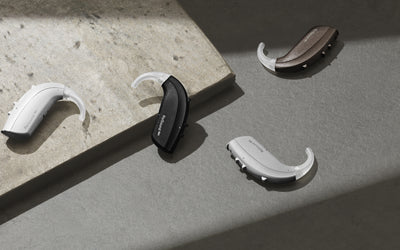
Shop All Hearing Aids
Shop now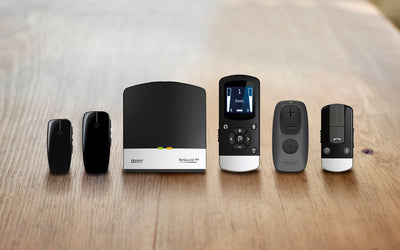
Shop Accessories
Shop now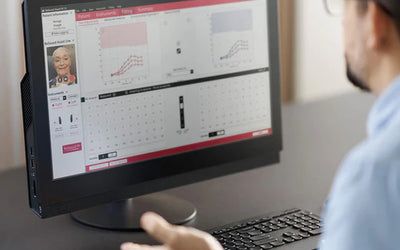
Speak To Our Audiologists
Contact Us