

By
Karis Simms
If you've noticed that conversations are becoming harder to follow, that the TV needs to be a little louder these days, or that you're struggling more in noisy environments than you used to, you're not alone. Age-related hearing loss is one of the most common conditions in the UK and one of the most under-addressed.
The good news? Understanding what's happening, and when to do something about it, makes all the difference.
1 in 3 Adults over 55 in the UK experience some degree of age-related hearing loss
10 million+ People in the UK currently live with hearing loss, most cases are age-related
7 years The average delay between noticing age-related hearing loss and seeking treatment
What Is Age-Related Hearing Loss?
Age-related hearing loss, known medically as presbycusis, is the gradual decline in hearing ability that naturally occurs as we get older. It's the result of changes inside the inner ear that accumulate over a lifetime, and it affects both ears equally in most cases.
Unlike sudden hearing loss, presbycusis develops so slowly that many people don't realise it's happening until it has progressed significantly. The brain is remarkably good at compensating, lip-reading without thinking about it, leaning in during conversations, increasing TV volume by increments, which is precisely why so many people wait years before seeking help.
It is not a sign of weakness, poor health, or anything unusual. It is simply one of the ways the body changes with age. What matters is recognising it early and taking action before it starts affecting your quality of life in more serious ways.
Key Point
Presbycusis is not the same as going deaf. It is a gradual, manageable condition that the vast majority of people with it live active, connected lives, especially when it's identified and treated early with appropriate hearing aids.
What Causes Presbycusis?
The inner ear contains thousands of tiny hair cells inside the cochlea. These cells detect sound vibrations and convert them into electrical signals that the brain interprets as sound. Over time, these hair cells naturally deteriorate and, crucially, they do not regenerate.
Several factors influence how quickly this happens and how severe the loss becomes:
Age is the primary driver. The hair cells that respond to high-pitched sounds tend to degrade first, which is why high-frequency hearing loss is so characteristic of presbycusis.
Lifetime noise exposure accelerates the process. Decades of exposure to loud workplaces, concerts, or even regular use of earphones at high volumes gradually damages hair cells long before hearing loss becomes apparent.
Genetics play a role. If a parent or grandparent experienced early or significant hearing loss, there is a higher likelihood you may too.
Medical history matters. Conditions such as cardiovascular disease, diabetes, and high blood pressure can reduce blood flow to the inner ear and contribute to hearing decline. Some medications (including certain antibiotics and chemotherapy drugs) are also known to affect hearing.
Smoking is associated with an increased risk of hearing loss, likely due to its effect on circulation.
Symptoms of Age-Related Hearing Loss: What to Look For
Because presbycusis develops gradually, the signs can be easy to dismiss or attribute to other things. Here are the most common symptoms and the ones that most people look back on as the signals they missed.
Difficulty understanding speech, even when you can hear it
This is the hallmark of age-related hearing loss. You can hear that someone is speaking, but their words sound muffled or unclear. This happens because high-frequency consonant sounds, S, F, H, T, and K are among the first to go, and these consonants carry most of the meaning in spoken English. When they're missing, speech sounds incomplete, like listening to someone speak through a wall.
Struggling in background noise
One of the earliest and most frustrating signs of presbycusis is difficulty separating speech from background noise. Restaurants, family gatherings, social events, places that should be enjoyable become exhausting as the brain works harder and harder to make sense of competing sounds. Many people begin quietly avoiding these settings rather than acknowledging the real reason they find them difficult.
Turning the TV up louder than others find comfortable
If family members or housemates regularly comment that the television is too loud, or if you've slowly adjusted the volume over the years without realising it, this is one of the most telling patterns of gradual hearing loss.
Asking people to repeat themselves frequently
Saying "Sorry, what?" or "Can you say that again?" is normal occasionally. When it becomes a routine part of every conversation, it signals that the ears are no longer picking up enough of what's being said. Read more about the early signs of hearing loss.
Difficulty on the phone
Phone calls strip away the visual cues, lip reading, facial expressions, gestures, that people with hearing loss naturally rely on without realising. This is why many people with presbycusis find phone conversations harder than face-to-face contact.
Tinnitus
A persistent ringing, buzzing, or hissing in the ears often accompanies age-related hearing loss. Tinnitus is not a condition in itself but a symptom of changes in the auditory system. It can range from mildly noticeable to genuinely disruptive to concentration and sleep. Many modern hearing aids include tinnitus management features alongside hearing amplification.
Listening fatigue
When your brain has to work significantly harder to process incomplete sound information, it is genuinely tiring. If you regularly feel mentally drained after social situations or conversations, this listening fatigue is a recognised and common symptom of hearing loss, not something to brush off.
Presbycusis vs Other Types of Hearing Loss
Not all hearing loss is age-related, and not all hearing loss works the same way. Understanding the distinction helps you know what you're dealing with and whether hearing aids are likely to help.
|
Type |
What Causes It |
Likely Treatment |
|
Sensorineural (Presbycusis) |
Inner ear hair cell deterioration due to age, noise, or genetics |
Hearing aids, the most effective and widely used treatment |
|
Conductive |
Blockage or damage in the outer or middle ear (earwax, infection, perforated eardrum) |
Medical treatment first; hearing aids if permanent |
|
Mixed |
Combination of both types |
Hearing aids, possibly alongside medical treatment |
|
Sudden sensorineural |
Rapid hearing loss occurring within 72 hours, a medical emergency |
Urgent GP or A&E referral required |
Presbycusis is sensorineural hearing loss specifically caused by ageing. It is permanent, as the hair cells responsible do not repair themselves but it is very well managed with modern hearing aids, which are designed precisely for this type of loss.
At What Age Does Presbycusis Start?
Age-related hearing loss can begin as early as your 40s, though it typically becomes more noticeable from the mid-50s onwards. By age 70, the majority of adults have some measurable degree of hearing decline. By 80, around 70-80% of people are affected to a meaningful extent.
This does not mean it is inevitable or unmanageable at any of these ages. Many people in their 50s and 60s with early-to-moderate presbycusis wear discreet, modern hearing aids and notice very little impact on their daily lives. The earlier treatment begins, the better the outcomes both for hearing and for long-term brain health.
The Link Between Age-Related Hearing Loss and Dementia
This is something many people are unaware of, and it matters.
Untreated hearing loss is now classified as the single largest modifiable risk factor for dementia in mid-life, according to the Lancet Commission on Dementia Prevention. The theory is that when the brain is constantly working to compensate for missing sound information, it draws on cognitive resources that would otherwise support memory and thinking. Over time, this additional cognitive load, combined with the social isolation that often accompanies hearing loss, significantly raises the risk of cognitive decline.
The critical word here is untreated. Research suggests that treating hearing loss effectively with hearing aids can meaningfully reduce this risk. This is one of the most compelling reasons not to wait.
Read our full guide on hearing loss and dementia for a detailed look at the science behind this connection.
Why Do People Wait So Long to Seek Help?
The average person waits seven to ten years between first noticing hearing loss and doing anything about it. That's a long time to struggle unnecessarily so why does it happen?
The most common reasons people give are:
"It's not that bad yet." Because presbycusis develops so gradually, the threshold for "bad enough to act on" keeps moving. By the time people feel it is serious, significant loss has often already occurred.
Stigma. Hearing aids have historically been associated with old age and frailty in a way that, say, glasses are not. This perception is changing fast, modern hearing aids are genuinely discreet, technologically impressive, and increasingly normalised but the old associations still hold some people back.
Cost concerns. Private hearing aids can feel expensive, but the gap between NHS waiting times and private options, combined with the cost of untreated hearing loss on quality of life and health, often makes timely private treatment the better long-term investment. At Wholesale Hearing, we offer clinically proven hearing aids at wholesale prices with full audiologist support included.
Uncertainty about the process. Many people don't know how to access a hearing test, what happens next, or whether a hearing aid is even the right answer. (We can help with all of that.)
Don't Wait
The earlier presbycusis is identified and treated, the better the outcomes, for sound quality, for brain health, for relationships, and for quality of life. There is no good reason to delay.
How Is Age-Related Hearing Loss Diagnosed?
The starting point is always a proper hearing test, known as a pure tone audiogram. This is a painless, non-invasive assessment that measures how well you can detect sounds across a range of frequencies.
A qualified audiologist will plot the results on an audiogram, a graph that shows your hearing threshold at each frequency. The shape of the graph tells the audiologist a great deal: presbycusis typically produces a characteristic "ski slope" pattern, with hearing remaining relatively good at lower frequencies and declining sharply at higher ones.
From there, the audiologist will determine the degree of your loss (mild, moderate, moderate-to-severe, or severe/profound) and advise on the most appropriate treatment.
You can access a hearing test through your GP (who can refer you for an NHS assessment) or through a private audiologist, which is generally much quicker. If you're unsure which route suits you, read our guide on NHS vs private hearing aids.
Treating Age-Related Hearing Loss: What Are the Options?
There is currently no medical cure for presbycusis, the inner ear hair cells cannot be restored. However, hearing aids are highly effective at compensating for the loss, and modern devices are a world away from the bulky, whistling devices of the past.
Hearing Aids
For the vast majority of people with age-related hearing loss, hearing aids are the primary and most effective treatment. They work by amplifying the specific frequencies you have difficulty hearing, rather than simply making everything louder, allowing speech to sound natural and clear again.
Today's hearing aids fall into several styles:
RIC (Receiver-in-Canal) hearing aids are the most popular choice for age-related hearing loss. A small, discreet unit sits behind the ear with a thin wire leading to a tiny receiver that sits in the ear canal. They're comfortable, almost invisible, and deliver excellent sound quality. Browse our range of RIC hearing aids.
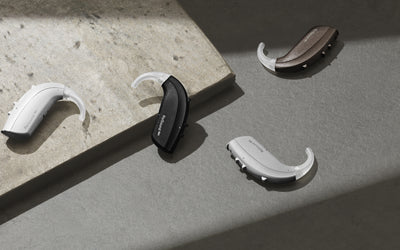
BTE (Behind-the-Ear) hearing aids are slightly larger and suit those with more significant hearing loss or who find smaller devices harder to manage. They are robust, reliable, and highly effective. Explore our BTE hearing aids.
Bluetooth and Smartphone Connectivity
Most modern hearing aids can connect directly to smartphones, televisions, and other devices via Bluetooth. This means streaming phone calls, music, or TV audio directly into your hearing aids at a comfortable, personalised volume, a significant upgrade in everyday convenience. Read more about the benefits of Bluetooth hearing aids.
Rechargeable Options
Rechargeable hearing aids have become the default choice for many, eliminating the need for small, fiddly batteries. A full day's use from a single overnight charge is standard with most modern rechargeable models. See our guide to the best rechargeable hearing aids.
Tinnitus Management
Many hearing aids include built-in tinnitus management features, gentle background sounds or masking tones that make tinnitus less intrusive. If tinnitus is a factor alongside your hearing loss, it's worth asking specifically about this when exploring your options.
Choosing the Right Hearing Aid for Age-Related Hearing Loss
Choosing a hearing aid is not just about the degree of hearing loss, it's about lifestyle, preferences, and the specific challenges you face day to day.
For active social lives: Look for hearing aids with advanced directional microphone technology and excellent speech-in-noise performance. The Phonak Infionio Sphere i90 and Signia IX range both perform exceptionally well in challenging listening environments.
For TV watching and phone calls: Bluetooth-enabled hearing aids with compatible streaming accessories, such as the Phonak TV Connector or Signia Streamline TV, make a significant difference to everyday listening comfort.
For ease of use: Rechargeable models with simple controls and companion smartphone apps are ideal if you'd rather not deal with batteries or complex settings. The ReSound Vivia is a popular choice here.
For discretion: If keeping your hearing aid as invisible as possible matters to you, small RIC models from Phonak, Signia, and ReSound are remarkably discreet and extremely comfortable to wear all day.
Not sure where to start? Our guide to choosing the right hearing aid walks you through the key decisions, or you can speak directly to one of our audiologists.
Living Well With Age-Related Hearing Loss
A diagnosis of presbycusis is not the end of the story, it's the beginning of managing it effectively. Most people who are fitted with appropriate hearing aids describe the experience as genuinely transformative: conversations become easier, social situations more enjoyable, and the constant effort of listening simply less exhausting.
Some practical things that make a real difference alongside hearing aids:
Tell people around you. Let family, friends, and colleagues know that you are dealing with hearing loss and what helps, facing you when speaking, not talking from another room, reducing background noise where possible. You don't need to make a big deal of it, but a brief, matter-of-fact conversation removes a lot of daily friction.
Position yourself well in social settings. Sitting with your back to a wall in restaurants, positioning yourself to see faces clearly, and choosing quieter venues where possible all help significantly.
Use available technology. Captioning features on smartphones and smart TVs, video calls (which allow lip-reading), and loop systems in public spaces are all useful tools alongside hearing aids.
Protect the hearing you have. Noise-induced damage accelerates age-related loss. Using hearing protection in loud environments, keeping earphone volumes sensible, and taking regular breaks from loud settings all matter, at any age, but especially once hearing loss has begun.
Frequently Asked Questions About Age-Related Hearing Loss
What is the difference between presbycusis and other hearing loss?
Presbycusis specifically refers to sensorineural hearing loss caused by the natural ageing of the inner ear. Other forms of hearing loss can be caused by noise exposure, infection, blockages, or neurological conditions. Presbycusis is the most common form of hearing loss overall and is very effectively managed with hearing aids.
Can presbycusis be reversed?
No. The hair cells in the inner ear that deteriorate with age do not regenerate, so the hearing loss itself cannot be reversed. However, hearing aids are highly effective at compensating for the loss, and many people experience a dramatic improvement in their ability to hear and communicate once they are properly fitted.
Does age-related hearing loss affect both ears equally?
In most cases, yes. Presbycusis typically develops symmetrically, affecting both ears to a similar degree. Where significant asymmetry exists, other causes should be investigated.
How quickly does age-related hearing loss progress?
This varies widely between individuals and is influenced by genetics, noise exposure history, and overall health. On average, presbycusis progresses gradually over many years. Regular hearing tests (every one to two years once loss has been identified) allow any changes to be tracked and hearing aid settings adjusted accordingly.
Are hearing aids for age-related hearing loss available on the NHS?
Yes, the NHS does provide hearing aids for presbycusis, typically BTE models. However, NHS waiting times can be significant, and the range of devices available is more limited than through a private provider. Read our full guide on NHS vs private hearing aids to understand the trade-offs.
At what point should I seriously consider a hearing aid?
If a hearing test shows mild-to-moderate loss and it is affecting your day-to-day life, conversations, social activities, work, or relationships, a hearing aid is almost certainly worth considering. The earlier you start, the more natural amplified hearing sounds, and the greater the long-term benefit to brain health.
How much do hearing aids for age-related hearing loss cost?
Private hearing aid prices vary significantly by brand and technology level. At Wholesale Hearing, we supply clinically proven hearing aids from leading brands including Phonak, Signia, and ReSound at wholesale prices, with full audiologist fitting and aftercare support included. Browse our hearing aid range and prices.
Ready to Take the Next Step?
If anything in this guide has resonated whether you recognise the symptoms in yourself or someone you care about the most important thing is not to wait. A hearing test is straightforward, painless, and gives you the information you need to make an informed decision.
Browse our full range of discreet, clinically proven hearing aids, available at wholesale prices with expert audiologist support included.
Shop All Hearing Aids | Speak to Our Audiologists | Take an Online Hearing Test
Shop All Hearing Aids
Shop now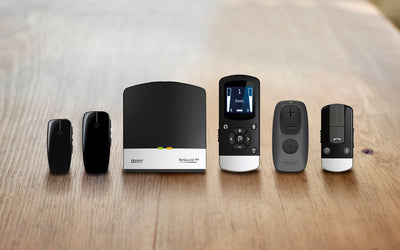
Shop Accessories
Shop now
Speak To Our Audiologists
Contact Us